


Every story has a beginning, but for The Transition Age Trilogy, that beginning spans over a decade of my life. I often get asked where the idea for this world came from. To answer that, I have to look back much further than the start of the publishing process. This project actually began while I was in high school. Back then, I was writing the first iterations of these manuscripts, filling notebooks with early versions of these characters and the dystopian shadows of a future world.
At its core, those early grade school drafts were about the basic human need for freedom. But as I grew up and moved into the workforce, my perspective shifted. I began to see that the most effective forms of control aren't always found in obvious villains, but in the very systems we rely on to make our lives easier.
I watched as the networks that manage our homes, our communications, and our work became increasingly complex and interconnected. We live in a time where predictive text knows what we’re going to say and algorithms suggest what we should value. I began to modernize my original concepts, evolving the world of Transition Age into a reflection of our current trajectory. I wanted to create a future that felt like a logical evolution into the future from the complexities we experience today. I wanted to see how our current trends in technology and governance might evolve over the next century into something entirely unrecognizable yet strangely familiar.
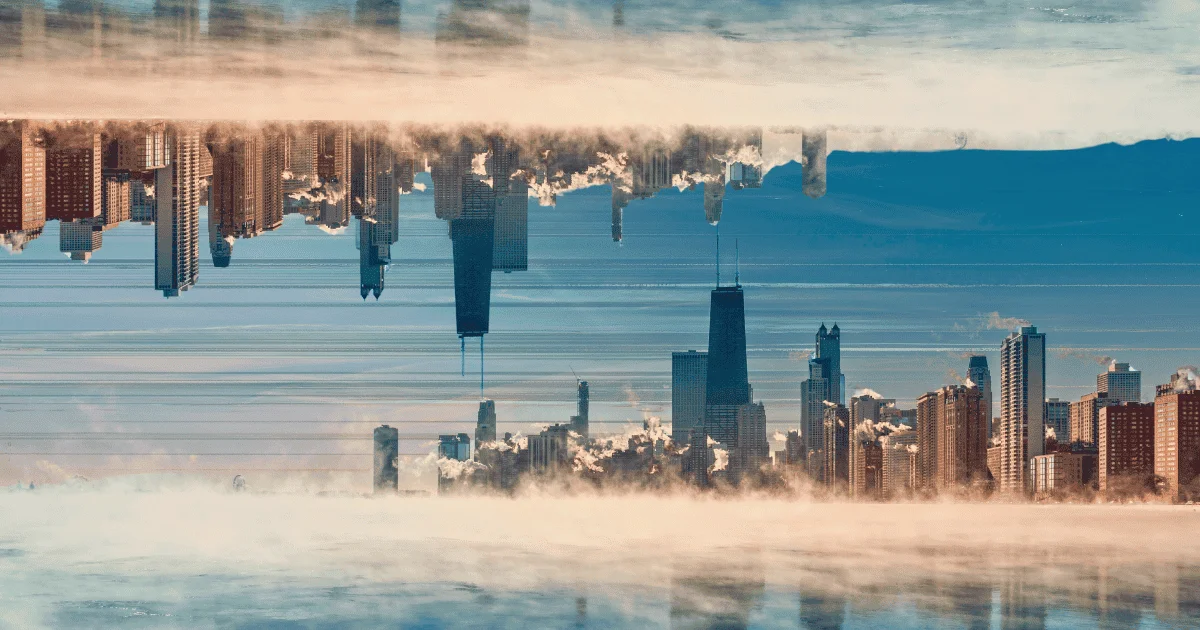
The Transition Age isn't a world of immediate, violent oppression. It’s a world where the systems succeeded. I wanted to build a civilization where humanity had made a rational trade: autonomy for survival. By the year 2159, people don't feel oppressed because they don't feel the need to choose.
Writing Iris Vale was an opportunity to explore that evolution. She isn't a traditional rebel. She doesn't start the book wanting to tear down the global power; she starts the book wanting to understand why her own mind feels like a foreign territory. Her resistance is born out of the friction between her human instincts and the engineered certainty of her environment, managed by corporations that have replaced the need for personal decision-making.
Bringing this trilogy to life has been a long road of world-building. I spent years refining the history of the global governance and the technical specifics of the monopolized corporations to ensure that this future felt lived-in and terrifyingly possible. I wanted the reader to feel the weight of the steel and the reach of the data that defines Iris's life.
This story is for anyone who has ever looked at the technology in their pocket and wondered who is really in control. It’s for the readers who love the "what ifs" of science fiction and the questions it asks about our collective identity.
Whether you are here for the mystery of the subterranean labs, the complex political maneuvering of the city, or the personal journey of a woman reclaiming her name, I am so grateful to have you on this journey. The Transition Age has been a part of my life for over ten years, and it is an incredible feeling to finally share it with you.
Thank you for reading and for stepping into the future with me.
Sincerely, Tyler Corriveau

Born into a world that believes history has been solved, the first generation of the Transition Age grows up inside cities governed by invisible systems designed to optimize human life. Stability is assumed, choice feels unnecessary, and the past is treated as something distant and irrelevant.